
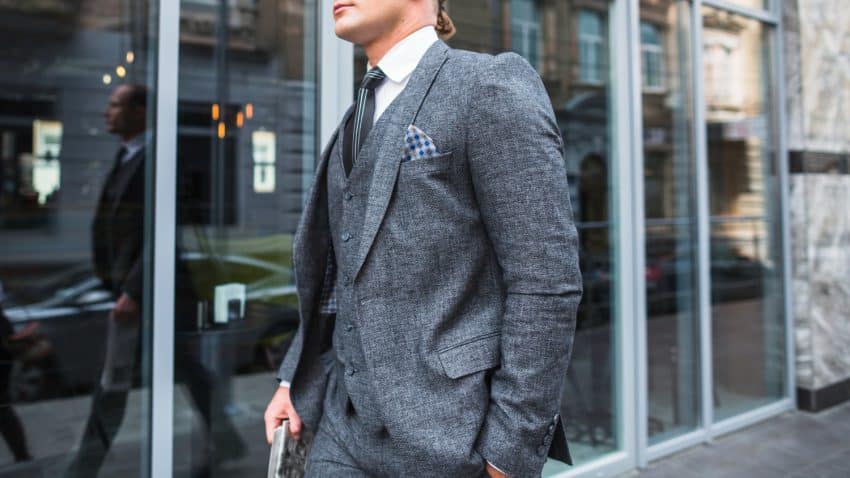
If we had to pick one city on earth where you can walk in with an idea and walk out days later with a perfectly fitted suit or dress, Bangkok would be at the top of the list. A good custom tailor in Bangkok can take your rough inspiration, your body shape, your budget, and turn it into something you’ll actually be excited to wear for years.
But finding that right tailor and knowing how the process works is where most travelers get stuck. We’ve seen people rush into the first shop that calls out to them on Sukhumvit, only to leave with a “custom” suit that doesn’t fit, in a fabric they didn’t really want.
In this guide, we’ll walk through exactly how Bangkok tailoring works, what you can get made, how to choose a reliable shop, what it all costs, and how to plan your time so you don’t feel rushed. Think of this as the playbook we’d hand a close friend before they start hunting for a tailor in Bangkok.
Why Bangkok Is A World Capital For Custom Tailoring
Bangkok didn’t become a tailoring hub by accident. The city sits at the crossroads of trade, tourism, and skilled craftsmanship, and that mix has been building for decades.
Skilled labor at competitive prices means we can commission hand-finished garments for a fraction of what they’d cost in major Western cities. Many of Bangkok’s best tailors are second- or third-generation family businesses. They’ve refined their patterns, sourcing, and fitting techniques over years of serving picky business travelers, diplomats, and style-conscious locals.
Then there’s fabric access. Bangkok’s cloth merchants import wool, cotton, linen, and blends from Italy, the UK, Japan, and China, so a single shop may offer everything from budget synthetics to Super 130s wool suiting. That range lets us choose our own balance of price, durability, and feel.
Tourism has also pushed standards up. When you have thousands of visitors searching for a custom tailor in Bangkok every year, many comparing results on forums and review sites, bad shops get called out and good shops get fully booked.
The result? A city where, if we know how to navigate it, we can get:
- Bespoke or made-to-measure tailoring
- Rush orders for conferences, weddings, or events
- Wardrobe staples (work suits, office shirts) at sensible prices
- Statement pieces (tuxedos, cheongsams, evening gowns) that would cost multiples back home
That combination of craft, competition, and choice is why Bangkok is still one of the world’s best places to go custom.
Understanding Bangkok Tailoring: What You Can Get Made
Bangkok’s tailoring scene goes way beyond the standard navy suit. Once we understand the range of garments and fabric options available, it’s much easier to walk into a shop with a clear plan instead of getting overwhelmed.
Different Types Of Garments To Consider
Here’s what we can realistically commission from a good custom tailor in Bangkok:
- Business suits – Two- or three-piece suits in wool or wool blends, ideal for office wear or interviews.
- Shirts – Dress shirts, casual button-downs, and even linen resort shirts: often the best value category.
- Trousers & chinos – Custom waist and rise make a massive difference in comfort, especially if we struggle with off-the-rack sizing.
- Blazers & sports coats – Great if we want a versatile piece that dresses up jeans or chinos.
- Tuxedos and evening wear – Black tie, dinner jackets, velvet blazers for events and weddings.
- Dresses – From simple sheath dresses to cocktail and evening gowns.
- Traditional and cultural wear – Cheongsams, ao dai–inspired pieces, Thai silk outfits, and fusion designs.
- Outerwear – Lightweight overcoats, trench coats, and sometimes leather jackets (though leather is more specialized).
If we’re short on time, we’ll usually get the highest value from shirts, simple suits, and workwear. More complex garments (structured evening dresses, heavily canvassed jackets) benefit from extra fittings and a bit more time in the city.
Fabric Choices And Quality Levels
When we sit down with a tailor, we’ll typically be shown books of fabric swatches. The range is enormous, but it breaks down roughly into:
- Budget synthetics and blends – Poly-viscose blends, polyester-heavy suiting. They’re cheap and can look okay at first glance, but they don’t breathe well and may not drape beautifully.
- Mid-range wools and cottons – Often wool blends (like wool-poly) around Super 100s or similar, and solid cotton shirting. This is where we get the best price-to-quality ratio.
- High-end imported fabrics – Italian and English mills (Vitale Barberis Canonico, Loro Piana, Dormeuil, etc.) and Japanese cottons/denims. These cost more but feel and wear better.
For hot, humid weather and travel, we usually look for:
- Lightweight wool (around 260–280g) or tropical wool
- Linen or linen blends for shirts, dresses, and casual suits
- High-twist wool for wrinkle resistance if we travel often
A good tailor will explain the trade-offs between:
- Price vs. durability
- Breathability vs. structure
- Wrinkle resistance vs. softness
We want to avoid being upsold to a super-expensive fabric we don’t need. It’s better to be honest about our budget. A reputable custom tailor in Bangkok will show us sensible options at different price levels.
Popular Tailor Areas And Neighborhoods
While we can find tailors across the city, some areas have higher concentrations and better reputations:
- Sukhumvit (Asok to Thong Lo) – Many mid- to high-end tailors, especially along Sukhumvit Road and on Soi 11, 19, 22, and 33. Easy access via BTS.
- Silom & Sathorn – Popular with business travelers: several long-established shops cater to office workers and expats.
- Ploenchit & Chit Lom – Higher-end malls and shopfronts: good if we prefer a polished, air-conditioned showroom.
- Pratunam & around Platinum Fashion Mall – More fabric markets and lower-cost tailoring options, with some gems if we’re willing to look carefully.
We generally prioritize areas that are easy for multiple visits (for fittings) from where we’re staying. Being close to the BTS or MRT can save us a surprising amount of time during a short trip.
How To Choose A Reliable Custom Tailor In Bangkok
With so many shops competing for our attention, choosing a tailor can feel like guesswork. It doesn’t have to be. A bit of assignments dramatically improves our odds of walking away with clothes we love.
1. Start with research, not with who shouts loudest
Before we land in Bangkok, we can:
- Read recent reviews (past 12–18 months) on Google Maps and forums.
- Ask in expat Facebook groups or travel communities for firsthand experiences.
- Look for detailed reviews that mention fit quality, aftercare, and how the shop handles problems, not just “fast service.”
2. Look at examples of their work
Most reputable tailors now have Instagram or real-life sample garments in-store. When we visit, we should:
- Check the shoulder line on jackets (smooth, no rippling)
- Look at buttonholes and stitching neatness
- Examine how patterns (like checks or stripes) line up at seams
If nothing on display impresses us, that’s a sign.
3. Gauge how they communicate
A good custom tailor in Bangkok will ask questions like:
- How often will we wear the garment?
- What climate do we live in?
- Do we prefer a slimmer or more classic cut?
They’ll listen, suggest, and sometimes gently push back if our idea won’t work with our body type or the chosen fabric. Rushed or pushy sales talk is a bad sign.
Red Flags To Avoid In Tourist Areas
Some parts of Bangkok, especially along lower Sukhumvit and near major attractions, are packed with aggressive sales-driven tailor shops. We’re on safer ground if we avoid:
- Street touts following us, insisting on “special price” or “lucky day” deals
- Too-good-to-be-true offers like multiple suits plus shirts for a rock-bottom price
- Shops that pressure us to choose fabric within minutes of walking in
- Refusal to discuss fabric origin, composition, or show labels/selvedge
- Insistence on finishing a full suit within 24 hours without proper fittings
Fast isn’t automatically bad, but we can’t shortcut fit. If the shop seems more interested in speed and volume than getting the fit right, we’re better off walking away, even if the price is tempting.
Step-By-Step: The Custom Tailoring Process In Bangkok
Knowing the typical process upfront helps us plan our time and manage expectations. While each shop has its own workflow, most follow a similar structure.
Initial Consultation And Measurements
Visit 1: Consultation (30–90 minutes)
Here’s what usually happens on the first visit to a custom tailor in Bangkok:
- Style discussion
We explain what we want: suit vs. shirt vs. dress, how we’ll use it, and any style preferences (lapel width, slim vs. regular fit, length, etc.). Photos on our phone help a lot.
- Fabric selection
The tailor shows us swatches at different price levels. We touch, compare, and narrow it down. We should ask about fabric weight, composition, and care.
- Taking measurements
Multiple body measurements are taken, chest, waist, hips, shoulders, sleeves, inseam, outseam, neck, and more. For women’s garments and dresses, there are usually additional measurements for bust, waist, hips, and posture.
- Posture and stance check
A good tailor will observe how we stand and walk, any shoulder slope, or forward-leaning posture and note it down.
- Deposit and timeline
We agree on the total price, pay a deposit (often 30–50%), and confirm when the first fitting will be, typically the next day or within 48 hours.
If we’re ordering shirts only, the process can be quicker, but we still want enough time for at least one fitting.
Fittings, Adjustments, And Turnaround Times
Visit 2: First fitting
For suits and dresses, this is often a basted fitting, where the garment is loosely assembled. We try it on so the tailor can see how the fabric sits on our body.
They’ll check:
- Jacket length and sleeve length
- Chest and waist suppression
- Trouser rise and leg width
- For dresses: bust fit, waist, hips, and movement
We should move naturally, sit, raise our arms, walk. If something feels off, say it. This is the moment to be picky.
Visit 3: Second fitting
After adjustments, we’ll try the garment again, this time closer to finished. Smaller tweaks happen here: nipping the waist, shortening sleeves a little more, adjusting trouser break.
For simpler garments or if we’re tight on time, some tailors combine the first and second fittings, but we still want at least one proper fitting.
Typical turnaround times:
- Shirts: 2–3 days with one fitting
- Suits: 3–5 days with 2–3 fittings
- Dresses: 3–5 days depending on complexity
If we have a week in Bangkok, we can comfortably manage a full suit or a few dresses with multiple fittings. With less than three days, we should manage expectations and stick to simpler pieces or use a tailor who can ship final alterations to us later.
Practical Tips For First-Time Customers
If it’s our first time using a custom tailor in Bangkok, a few practical decisions will make the experience smoother and the final result better.
What It Really Costs: Price Ranges And Budgeting
Prices vary widely by fabric and shop reputation, but rough ballparks (in Thai baht, THB) for decent quality are:
- Men’s suits (2-piece): 6,000–15,000 THB+
(~US$170–$430+). Under 5,000 THB is usually very basic fabric or rushed work.
- Shirts: 800–2,000 THB each
Better value when ordering 3–5 at once.
- Trousers/chinos: 1,200–3,000 THB
- Women’s dresses: 2,500–8,000 THB+ depending on design and fabric
- Tuxedos / formalwear: 10,000 THB and up for quality cloth
We should also budget for:
- Multiple garments – Once we have good measurements, shirts and trousers become very cost-effective.
- Alterations after we return home – A small budget at a local alterations tailor allows for fine-tuning.
How Much Time You Need In Bangkok
Time is the most underestimated factor. Here’s what we realistically want:
- Ideal: 5–7 days in Bangkok
Allows consultation, 2–3 fittings, and unhurried decision-making.
- Workable: 3–4 days
Enough for shirts and a basic suit or a simple dress, with 1–2 fittings.
- Risky: 48 hours or less
Possible for shirts or very simple garments, but fit may be compromised and our stress levels will go up.
We can make life easier by:
- Booking our first visit within the first 24 hours of arriving
- Staying near the BTS/MRT so getting to fittings is quick
- Avoiding scheduling fittings right before airport transfers or long day trips
What To Bring And How To Prepare
We’ll get better results if we treat this like a small project rather than a spontaneous purchase.
Bring:
- Reference garments – A favorite shirt, trousers, dress, or blazer whose fit we like. The tailor can copy or tweak it.
- Inspiration photos – Save screenshots of styles, lapels, pockets, lengths, or dress shapes we like.
- Shoes and undergarments – For suits and dresses, wear or bring the shoes and undergarments we’ll normally wear with them. Heel height, for example, affects dress and trouser length.
- A list of priorities – Is our top concern price, fabric quality, or perfect fit? Knowing this helps guide choices.
Before we go, it’s smart to:
- Have a rough budget in mind and say it upfront
- Decide if we prefer slimmer, trendier cuts or more classic silhouettes
- Think about where we’ll actually wear these clothes (office, weddings, travel)
When we show up prepared and clear about what we want, a good custom tailor in Bangkok can work surprisingly fast, and produce clothes that genuinely feel like they were made just for us, because they were.
Conclusion
Bangkok is one of the few places where custom clothing is still accessible, fast, and done at a high level. If we approach it thoughtfully, choosing the right neighborhood, vetting tailors, budgeting realistically, and giving ourselves enough time, we can leave with a wardrobe upgrade that would cost multiples back home.
The key is to treat the process as a collaboration, not a transaction. We bring clear ideas, reference pieces, and honest feedback at fittings. Our tailor brings technical skill, fabric knowledge, and an eye for proportion. Between us, we end up with a suit, shirt, or dress that feels less like a souvenir and more like a long-term investment in how we present ourselves.
So if we’re planning a trip and searching for a custom tailor in Bangkok, it’s worth carving out a few days, doing a bit of assignments, and letting the city’s tailoring culture work in our favor. Done right, we won’t just remember Bangkok for its temples and food, we’ll be reminded of it every time we put on that perfectly fitted garment and it just feels right.