
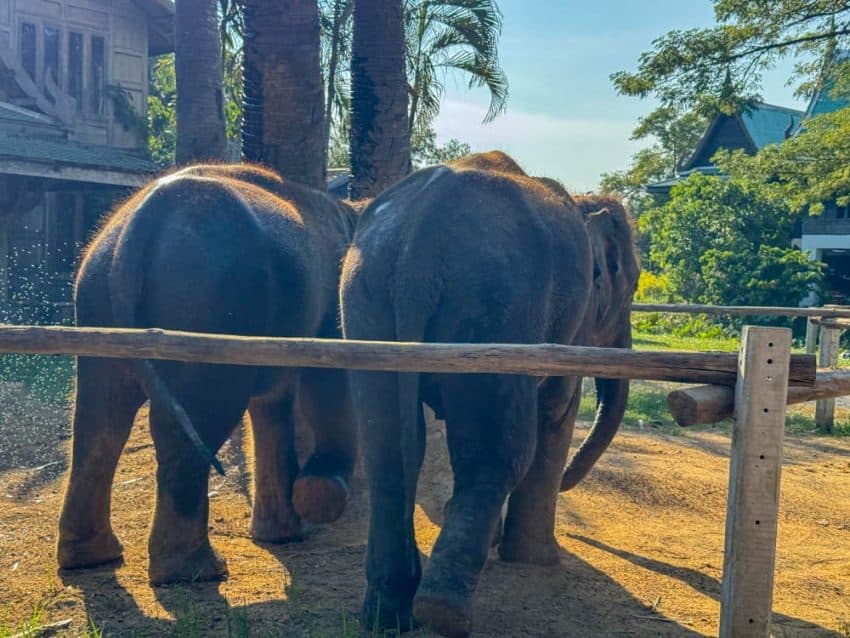
Elephant rescue in Thailand focuses on providing safe havens for animals that have suffered from exploitation in tourism, logging, or other industries. In Koh Phangan, these sanctuaries play a vital role in rehabilitating Asian elephants, promoting ethical interactions, and educating visitors about elephant welfare. This guide explores key aspects of elephant rescue efforts in the area, offering practical advice for those interested in supporting conservation through visits or volunteering. By choosing ethical options, individuals contribute to the broader mission of protecting Thailand’s elephant population, which faces ongoing threats from habitat loss and unethical practices. Understanding the recovery process and behaviors of these majestic animals helps visitors make informed decisions that align with genuine rescue goals. This article draws on established practices in Thai elephant sanctuaries to provide actionable insights for ethical engagement.
Understanding Ethical Elephant Rescue in Koh Phangan
Ethical elephant rescue in Koh Phangan emphasizes non-exploitative care, where sanctuaries prioritize the animals’ natural behaviors and long-term well-being over visitor entertainment. These facilities rescue elephants from abusive situations, such as trekking camps or circuses, and provide environments that mimic their wild habitats. In Thailand, rescue operations often involve veterinary care, nutritional support, and behavioral rehabilitation to help elephants recover from physical and psychological trauma. Koh Phangan’s lush terrain supports spacious enclosures that allow rescued elephants to roam, forage, and socialize, fostering their innate Asian elephant behaviors like mud bathing and family bonding. Visitors seeking to support these efforts should look for sanctuaries that adhere to no-ride, no-show policies, ensuring interactions remain observational and respectful. This approach not only aids individual elephants but also raises awareness about broader elephant welfare issues in Thailand, where thousands of animals still endure hardship in unregulated settings. By focusing on education and conservation, Koh Phangan sanctuaries contribute to sustainable practices that benefit both elephants and local communities. For those planning a visit, recognizing these ethical standards ensures a meaningful experience that directly supports rescue initiatives.
Key Principles of Ethical Rescue Operations
Core principles include immediate medical intervention upon rescue, followed by gradual reintroduction to a stress-free environment. Sanctuaries in Koh Phangan often collaborate with local authorities to legally relocate elephants, providing them with diets rich in fruits, vegetables, and grasses that match their natural intake. Observational tours highlight how rescued elephants exhibit improved behaviors, such as increased playfulness and reduced aggression, once removed from chains or performance demands. These principles align with global standards for animal welfare, emphasizing freedom of movement and minimal human interference.
Role of Local Ecosystems in Rehabilitation
Koh Phangan’s tropical climate and forested areas are ideal for elephant recovery, offering natural foraging opportunities that promote physical health. Rescued elephants here benefit from the island’s biodiversity, which supports their need for diverse vegetation and water sources. This setting aids in healing by allowing elephants to engage in essential activities like bathing in streams, which helps with skin care and temperature regulation.
Top Services Offered at Koh Phangan Elephant Sanctuaries
Sanctuaries in Koh Phangan provide a range of services designed to engage visitors while prioritizing elephant rescue and welfare. Morning and afternoon elephant tours offer guided observations of rescued animals in their habitats, allowing participants to learn about Asian elephant behaviors without direct contact. These tours typically last a few hours and include educational talks on the rescue process, from initial extraction to ongoing care. Feeding programs enable visitors to prepare and offer food under staff supervision, promoting understanding of the elephants’ dietary needs—often hundreds of pounds of fresh produce daily. For deeper involvement, one-day and full-day volunteer programs let individuals assist with tasks like preparing meals, cleaning enclosures, and monitoring health, all while learning about elephant welfare in Thailand. These services ensure that revenue supports rescue operations, such as veterinary treatments and habitat expansion. Participants often report gaining insights into how sanctuaries address challenges like post-rescue trauma, making these experiences both educational and impactful. When selecting a service, consider group sizes to avoid overwhelming the elephants, ensuring the focus remains on ethical interactions that aid conservation efforts.
Morning and Afternoon Tours: A Gentle Introduction
Morning tours often start early to align with elephants’ active periods, providing views of natural behaviors like foraging at dawn. Afternoon sessions focus on relaxation phases, such as resting in shaded areas, offering a contrast that highlights daily rhythms in rescue settings. Both formats include insights into how tours fund ongoing rescues in Thailand.
Volunteer Programs: Hands-On Support for Rescue
One-day volunteers might help with feeding or enclosure maintenance, gaining practical knowledge of care routines. Full-day options extend to observation duties, allowing deeper appreciation of recovery progress. These programs emphasize safety and respect, ensuring volunteers contribute positively to elephant welfare.
Feeding Programs: Nourishing Body and Education
Participants learn to identify suitable foods, like bananas and sugarcane, while understanding nutritional balance for rescued elephants. This hands-on activity underscores the sanctuary’s role in addressing malnutrition from prior exploitation, directly tying into broader Thai elephant rescue narratives.
How to Choose an Ethical Elephant Sanctuary in Koh Phangan
Selecting the right sanctuary involves evaluating their commitment to elephant rescue in Thailand, particularly in Koh Phangan where tourism can sometimes blur ethical lines. Look for facilities that transparently share rescue stories, detailing how elephants arrived and their rehabilitation journeys. Ethical operations avoid any form of riding, hooking, or forced performances, instead promoting observation from a distance to minimize stress. Check for accreditations or partnerships with wildlife organizations that verify welfare standards. Visitor reviews should highlight educational value and animal-centered activities, rather than entertainment. Consider the sanctuary’s capacity—overcrowded sites may indicate poor management—and inquire about volunteer opportunities that genuinely aid rescue efforts. In Koh Phangan, ethical choices support local economies sustainably while protecting Asian elephants, whose populations are vulnerable due to historical exploitation. Practical tips include booking in advance during peak seasons and preparing for weather-appropriate attire, as tours often involve walking in natural settings. By prioritizing these factors, visitors ensure their participation advances genuine conservation, contributing to the healing of rescued elephants and the preservation of Thailand’s natural heritage.
Questions to Ask Before Booking
Inquire about the number of rescued elephants and their origins to gauge the sanctuary’s focus on rehabilitation. Ask how funds from visits are allocated, ensuring they support care and further rescues rather than unrelated expenses.
Signs of a Truly Ethical Facility
Look for elephants living in family groups with ample space, exhibiting natural behaviors without restraints. Staff training in animal handling and visitor education are strong indicators of ethical practices.
Comparing Options in Koh Phangan
Evaluate based on proximity to accommodations, tour durations, and inclusivity for different group sizes. Ethical sanctuaries often provide detailed itineraries that emphasize learning over interaction.
The Impact of Visiting Koh Phangan Sanctuaries on Elephant Rescue
Visits to Koh Phangan sanctuaries directly fund elephant rescue in Thailand by covering costs like medical care and habitat maintenance for rescued animals. Ethical tourism generates revenue that enables more rescues, with each visit supporting the recovery process for elephants previously in distress. Participants learn about Asian elephant behaviors, such as social structures and communication, which fosters greater public advocacy for welfare. Sanctuaries use these funds to expand facilities, ensuring space for future rescues amid Thailand’s ongoing challenges with illegal trade and habitat encroachment. Moreover, educational components during tours and programs raise awareness, encouraging visitors to spread knowledge about ethical practices. This ripple effect strengthens community support for conservation, potentially influencing policy and reducing demand for exploitative attractions. For volunteers, the experience provides personal fulfillment while contributing labor that eases daily operations, allowing staff to focus on critical rescue tasks. Overall, choosing ethical visits in Koh Phangan amplifies the sanctuary’s mission, turning individual actions into collective progress for elephant populations. Those interested in deeper involvement can explore options like the phangan elephant sanctuary for further details on supportive programs.
Educational Benefits for Visitors
Tours impart knowledge on elephant life expectancy, noting differences between wild and captive settings, and the role of sanctuaries in extending healthy years through proper care.
Funding Rescue Through Participation
Proceeds from services like feeding programs sustain veterinary services and nutritional needs, directly aiding the healing of traumatized elephants.
Long-Term Conservation Outcomes
By promoting ethical standards, visits help shift Thailand’s tourism landscape toward sustainability, benefiting endangered species survival.
Practical Tips for Your Visit to a Koh Phangan Sanctuary
Preparing for a visit enhances the experience while respecting elephant rescue priorities in Koh Phangan. Wear comfortable, closed-toe shoes suitable for uneven terrain, and bring sunscreen, insect repellent, and reusable water bottles to stay hydrated during outdoor activities. Arrive early for morning tours to avoid heat, and follow all staff instructions to maintain a safe distance from the animals. Pack light snacks if needed, but note that many sanctuaries provide meals during longer programs. For volunteers, expect physical tasks like carrying feed, so build in rest periods. Respect photography guidelines, avoiding flash to prevent startling the elephants. If traveling with children, confirm age-appropriate activities that focus on education rather than close contact. Budget for transportation, as some sites require a short journey from main areas. Post-visit, share your learnings to promote ethical tourism. These steps ensure a rewarding outing that supports welfare efforts without compromising the animals’ recovery. In Koh Phangan, such preparation aligns visits with the sanctuary’s goal of fostering empathy for Thailand’s rescued elephants.
What to Pack for Ethical Tours
Essentials include hats for sun protection, cameras for non-intrusive photos, and notebooks for jotting down facts about elephant behaviors observed.
Health and Safety Considerations
Stay aware of allergies to local plants and follow hygiene protocols, especially during feeding sessions, to safeguard both visitors and elephants.
Making the Most of Volunteer Days
Engage actively by asking questions about rescue stories, maximizing educational value while assisting in meaningful ways.
In summary, elephant rescue sanctuaries in Koh Phangan offer valuable opportunities to support Thailand’s conservation efforts through ethical tours, feeding programs, and volunteering. By choosing facilities that prioritize animal welfare, visitors play a key role in the recovery and protection of Asian elephants. Key takeaways include verifying ethical practices, preparing adequately for visits, and understanding the broader impact of participation. For those drawn to these initiatives, exploring options like Samui Elephant Haven provides a pathway to meaningful involvement in elephant welfare.